The House

The Man

The Community
The House
[1] The house was constructed in the early 1860s for Henry Klippel and his bride Elizabeth Bigham.
[2] The original farmhouse was a two-bedroom Victorian. Later additions were done in the Arts & Crafts style. Local preservationist Roger Whipple renovated the structure down to the studs in the 1990s, expanding it to its current four bedrooms and three-and-a-half baths.
[3] The corner lot property boasts mature trees and two outbuildings, including a detached two-car garage with finished workroom and a two-story Craftsman-style guest house with private entrance and separate parking.
[4] Over the decades, the house has been lovingly preserved, maintaining much of its original character whilst adapting to the needs of modern families—a timeless space where history meets the present.
[5] The Klippel House is officially designated as a significant, contributing property within Jacksonville National Historic Landmark District.

An historic house offers the rare sensation of entering a story already underway.
The home built by Henry Klippel carries the memory of an extraordinary Oregon life—but also the quieter human history behind it: journeys ending at the door, family gatherings after long separations, and the contentment of returning to a beloved "little town in the nook of the mountains."
The Henry Klippel House has belonged to only four families in its 160 years.
This unusually quiet succession can still be felt throughout the house—not merely in its architecture, but in the intimate evidence of generations who made their lives here: stair treads worn into gentle hollows by countless footsteps, old dappled glass shimmering in towering paned windows, converted gas light fixtures of burnished brass, deep porches built for lingering, and a fireplace darkened by the soot of more than a century and a half of winters.
The Klippels were followed by a second family who occupied the house from approximately 1920 until the late 1980s, nearly seventy years of ownership. Photographs from that era show a sweet white farmhouse, dignified without grandeur, unmistakably a family home.
Around 1990, the property entered its most transformative chapter. Preservationist Roger Whipple, a celebrated local contractor, undertook a comprehensive rehabilitation, opening the original structure to its framing while carefully salvaging and reinstalling the hardware, fixtures, and architectural elements that could be saved. Where original materials had been lost or damaged beyond repair, Whipple painstakingly sourced compatible antique pieces. He also enlarged the house for his wife and their three children, adding a six-room wing and detached guest house, thus leaving an indelible imprint on the historic property. The thin drawers in the guest house bedroom were designed for his architectural plans; a mural begun by his daughter (still unfinished) decorates the closet there.
Whipple’s careful work gave the property the space and practical comforts of a much larger home without severing it from its nineteenth-century character. Old and new were joined so thoughtfully that the house feels not divided into eras, but amended over time—as old houses so often were before “open concept” renovations and uniform finishes became the fashion.
When their children were grown, the Whipples downsized, and the current sellers purchased the property in 2001, raising their children there. For more than two decades, the house was once again filled with the ordinary rituals for which the Klippels had first intended: children racing down the stairs, Christmas mornings in the parlor, and spring evenings reading books on the porch swing, enveloped by the scent of lilac. Jacksonville’s many parks and hiking trails, its leafy streets, historic downtown, and beloved community spaces made the town itself feel like an extension of home.
Today, the Klippel House is neither a pristine museum nor an old shell mercilessly gutted and remade as something modern and generic. It has survived because each generation allowed it to evolve without asking it to surrender its identity. Antique and original fixtures coexist with later amendations; rooms have changed purpose as families grew; small irregularities remain where modern construction would have erased them. The house has been preserved not by refusing change, but by changing carefully.
After more than 160 years and only four owners, the Klippel House now awaits its fifth—someone who recognizes the increasingly rare privilege of living in an old house that still feels fully, unmistakably itself.
About Henry Klippell
Henry Klippel’s was a life propelled by motion—across oceans, plains, mountain passes, and half-built frontier towns—but he was always drawn home again to Jacksonville.
Klippel was born in Wachenheim, Germany, in December 1833 and immigrated to America when he was four. After his father’s death, the Klippels moved from Cincinnati to St. Joseph, Missouri. In 1851, not yet eighteen, Henry joined the westward migration and crossed the plains to Oregon by ox train.
One fellow pioneer from another wagon train remembered encountering him near the end of the journey on the difficult Barlow Road: “a stripling of a boy” walking alone beside an exhausted ox, carrying nothing more than a sack containing bread and a slice of pork. When the animal became hopelessly mired, Henry ended its suffering and prepared to rejoin his train. The travelers gave the boy coffee, loaned him a blanket for the night, and watched him set out again on his own the following morning (James H. Twogood, “Some Incidents of Early Days,” Medford Mail, December 13, 1901).
This brief portrait contains much of the man Henry Klippel would become: practical, resilient, unsentimental in adversity, and apparently incapable of remaining discouraged for long.

In February 1852, word of rich discoveries drew him over the mountains to the primitive settlement of Jacksonville. He arrived in a town composed largely of tents, shanties with canvas-covered windows, and men consumed by the promise of gold. This newborn town would become the fixed point in a remarkably varied life.
In June 1853, scarcely a year after reaching Jacksonville, Klippel joined a party of prospectors pursuing the “Lost Cabin Mine”—a fabulously rich vein of gold said to lie somewhere in the Cascade wilderness. It is this adventure for which Klippel is best known today. Henry, John Wesley Hillman, and Isaac Skeeters were tasked with leading a party of eleven men up a long mountain slope in search of game. Upon reaching the crest, they found themselves at the edge of a precipice. Far below lay an immense lake, its water blue as indigo. The men "discovered" a place the Indigenous peoples had long regarded as both sacred and dangerous. And although the Lost Cabin Mine was never found, Klippel returned from the expedition having become one of the earliest recorded non-Native people to look upon what we now call Crater Lake.
In 1860, Henry brought the first quartz mill erected in Oregon to the fabulously rich Gold Hill discovery. Later that year, he married Elizabeth Anne Bigham. With Henry's revenue from the mine, the newlyweds were able to build the farmhouse that now bears their name. It was a large home for its time, an expression not merely of prosperity but of permanence.
For Henry’s many ventures carried him repeatedly away from Jacksonville—to San Francisco for machinery and merchandise, to Idaho and into the Siskiyou wilderness, east across the mountains, and eventually to the nation’s Capitol—but the house in Jacksonville stood as the counterweight to his restless temperament. Beyond its doors lay uncertainty, speculation, public controversy, dangerous travel, and enterprises that might make or lose a fortune. Within was the life he made with Elizabeth: children born and raised, friends and relatives welcomed, and the familiar ritual of departure and return.
Over the decades, Henry was a miner, tinner, merchant, rancher, mill builder, lumberman, real-estate developer, and public servant. In 1868, Henry and William Hoffman opened a tin, stove, and hardware establishment beneath Jacksonville’s Odd Fellows Hall. Henry was then appointed Jacksonville’s first recorder and later the president of its board of trustees. He was elected sheriff of Jackson County in 1870, served on the commission responsible for constructing Oregon’s State Capitol, became chairman of the Democratic State Central Committee, and acted as an elected official in one capacity or another until the year of his passing.
He became entangled in the disputed presidential election of 1876, and was summoned to Washington, D.C. to testify before a congressional committee. On his return journey, Klippel stopped in Missouri to visit the family he had left behind decades before. A local reporter found him there and recorded an unusually intimate portrait: a spare, compact man of about five feet eight, with kindly brown eyes and “a very winning expression about the mouth when he smiles, which is frequently” (Holt County Sentinel, February 9, 1877). Over a Havana cigar, Klippel talked candidly about presidents, senators, party rivalries, and the precarious state of the nation. But when the reporter asked whether he would be glad to return to Oregon, the public man fell away and the homesick traveler emerged.
“Indeed, I will,” Klippel answered. His home, he said, stood “in a pleasant little valley at the foot of the snow-capped Sierras, one hundred miles from any railroad or navigable river.” There, quoting Thomas Gray, he hoped to live “[f]ar from the madding crowd’s ignoble strife.”
Henry’s own writings are remarkably vivid accounts from a pioneer who loved the Rogue Valley with the proprietary tenderness of someone who had known it nearly from the beginning, someone absolutely convinced that Southern Oregon would someday receive the recognition its natural wealth deserved. Henry knew the landscape on horseback and on foot: its mineral springs, rocky canyons, clear streams, hidden deposits of gold and cinnabar, and snow-capped peaks from which Shasta and McLoughlin could be seen from base to summit.
Henry remained active, curious, and ambitious until his death in 1901. His funeral procession drew pioneers from across the region, members of two fraternal orders, local officials, townspeople, and the teachers and pupils of Jacksonville’s public school. Contemporary reports estimated that nearly one thousand mourners assembled at the cemetery.
A close friend described him as “always true to his friends, just to his opponents, fond of his family, and loyal to his convictions of right and duty” (Judge William S. Crowell, Medford Enquirer, November 9, 1901). The city remembered him as a man whose life had been spent “in earnest endeavors to help build up the community in which he lived” (Medford City Council Resolutions of Respect, Medford Mail, November 22, 1901).
For all his expeditions and enterprises, his was not simply the story of a man passing through a frontier. He stayed. For nearly fifty years, he stayed. He married, raised children, served his neighbors, and helped transform a remote mining camp into an enduring community. Indeed, “[t]he history of Southern Oregon,” the Medford Mail declared after his death, “could not be written without frequent and honorable mention of Mr. Klippel’s name.”
Henry Klippel crossed an ocean and a continent, helped build a town and a state, and traveled repeatedly into the wider world—yet spoke most wistfully of the secluded valley where his wife and children waited, and of the home to which he was always glad to return. The next owner of the Klippel House does not merely acquire an old home. They become its newest steward, taking their place in a story that began with a seventeen-year-old immigrant walking west with bread over his shoulder, determined to make a life in a country he had not yet seen.
The Community
Named HGTV's Most Charming Small Town in Oregon for a reason, Jacksonville offers something increasingly rare: the beauty, intimacy, and architectural character of an historic small town—without cultural isolation.
About Historic Jacksonville
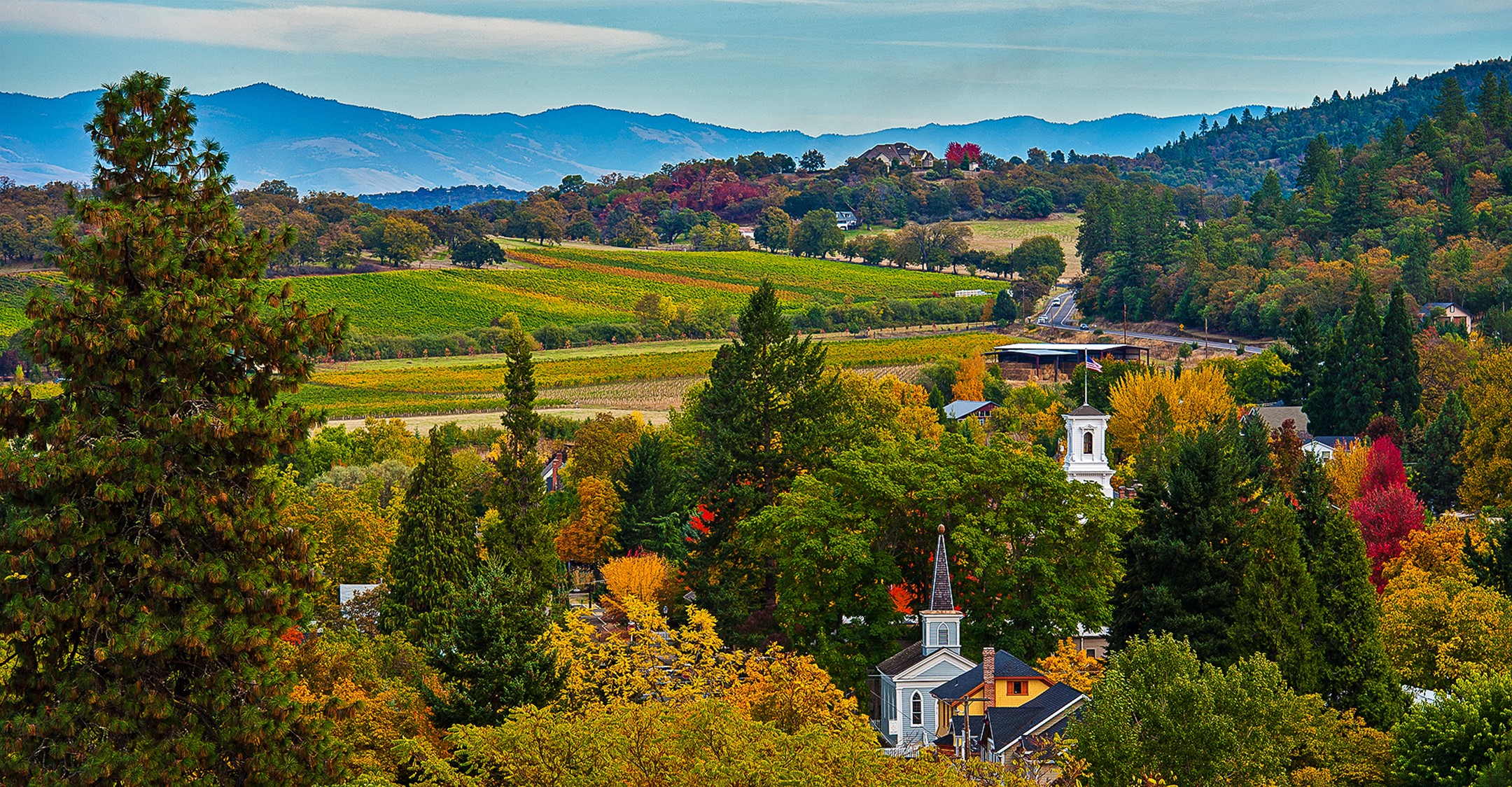
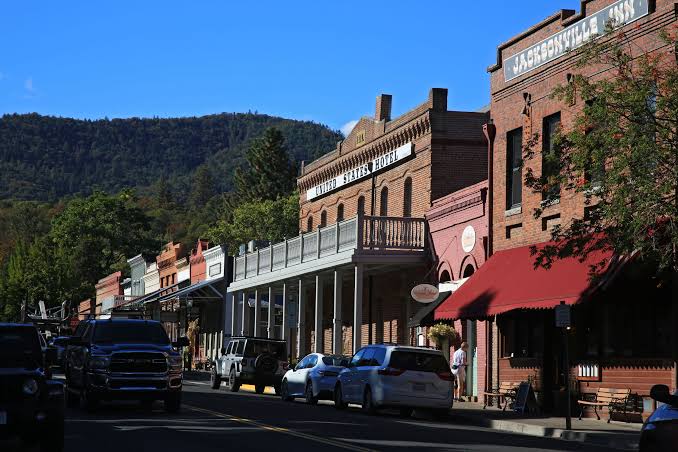
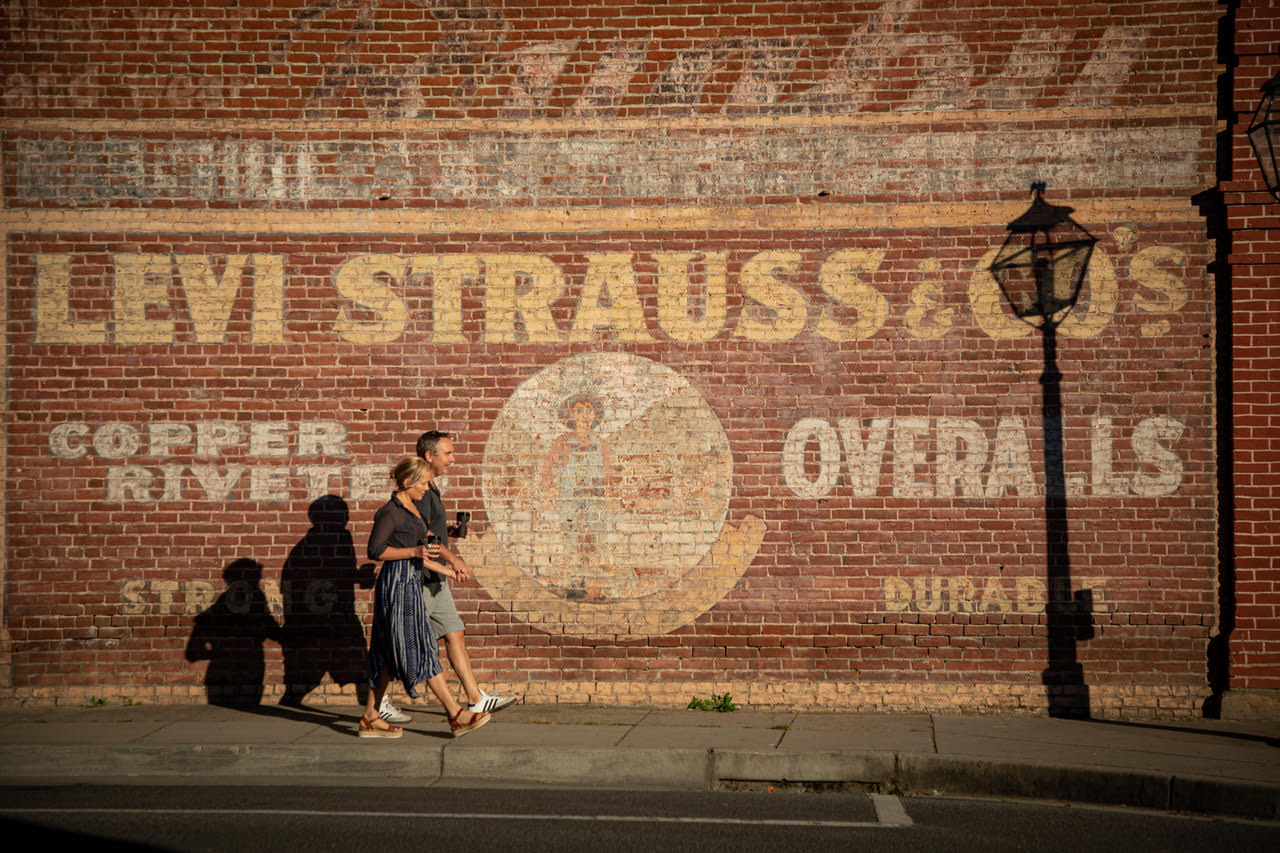
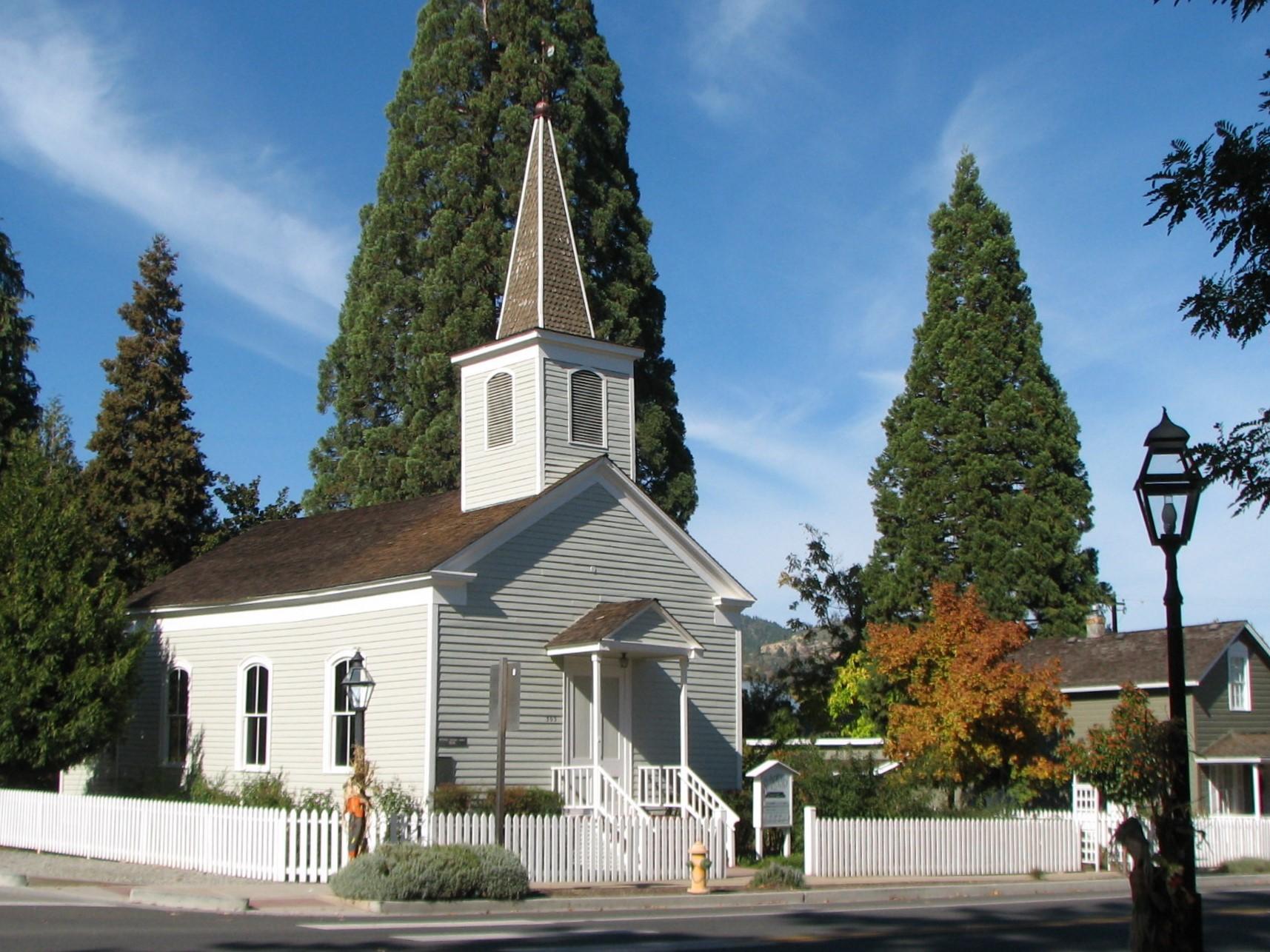
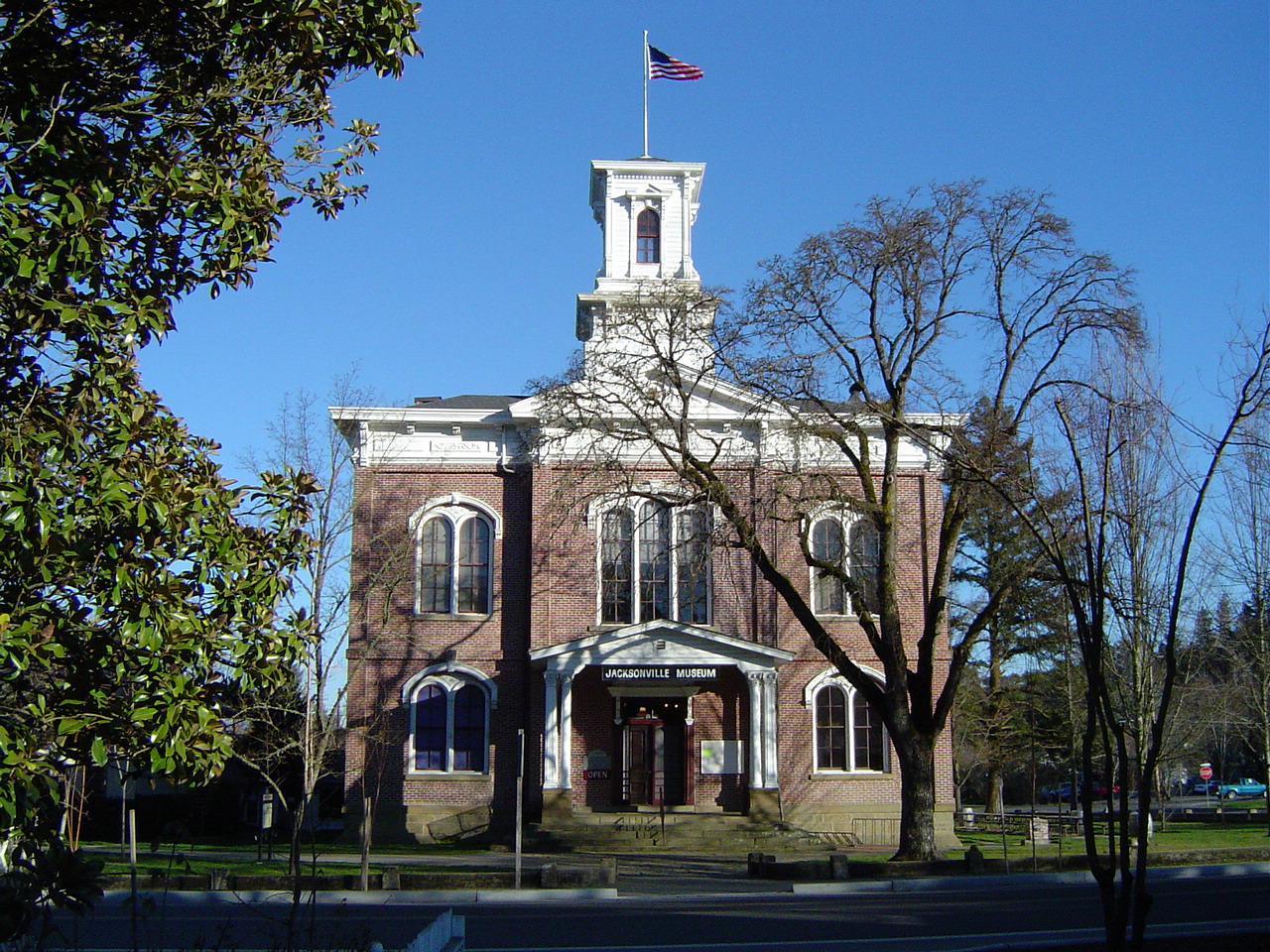
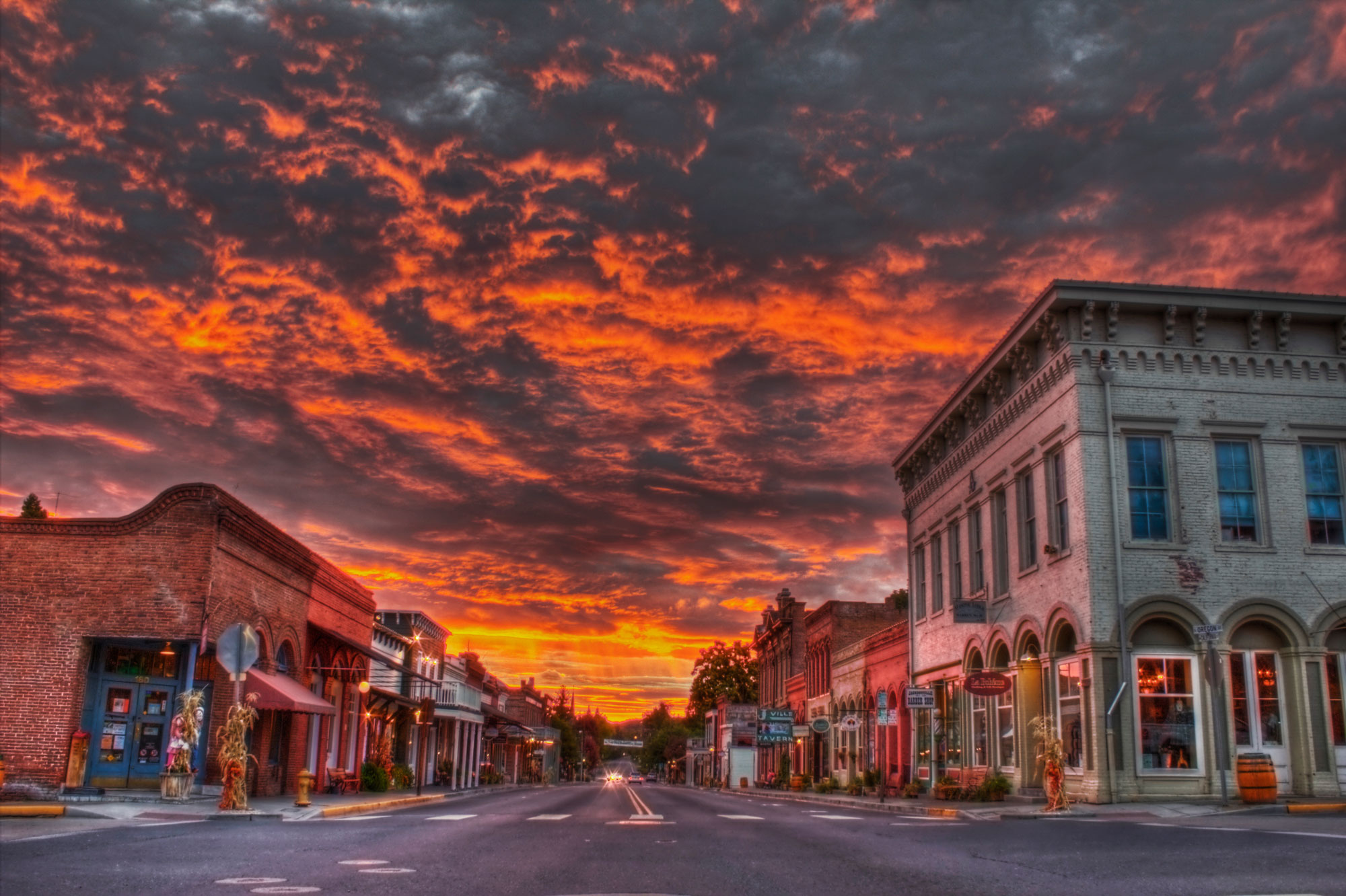
Established during Southern Oregon’s gold rush, Jacksonville's remarkably preserved nineteenth-century downtown and surrounding neighborhoods now form a National Historic Landmark District. Brick storefronts and faded murals, maple-shaded lanes, quaint clapboard churches, formal gardens and neighborhood parks, and gracious Victorian homes give the town a Norman Rockwell-esque atmosphere that feels less manufactured than inherited, a place that has been lived in, loved, and conscientiously preserved for generations.
Today, Jacksonville is a walkable enclave of independent restaurants, boutiques, antique shops, art galleries, tasting rooms, and neighborhood cafés, set against the wooded foothills of the Rogue Valley. The pace here is gentler than city life, but hardly provincial. Summer evenings are shaped by the Britt Music & Arts Festival, an open-air hillside pavilion which hosts an eclectic season of internationally-known performers spanning orchestral music, jazz, blues, folk, country, rock, and pop. And a concert beneath the stars is not solely for its ticket-paying audience; every family in downtown Jacksonville hears the music echoing through the valley, carried on the summer evening breeze.
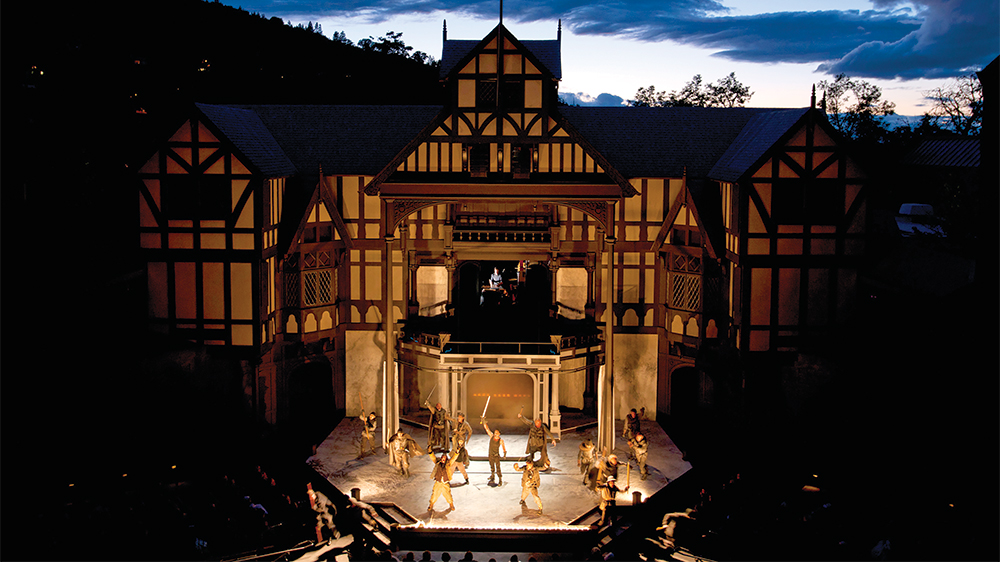
Less than half an hour away, the college town of Ashland is home to the nationally-renowned Oregon Shakespeare Festival, founded in 1935 and now presenting an ambitious repertory of Shakespeare, classic drama, musicals, and contemporary plays. Together, Jacksonville and Ashland give this corner of Southern Oregon an unusually rich cultural life for a region of its size, one in which an afternoon among the vineyards can end with Tony-nominated theatre or live music from the likes of Willie Nelson, the Goo Goo Dolls, and Ringo Starr.
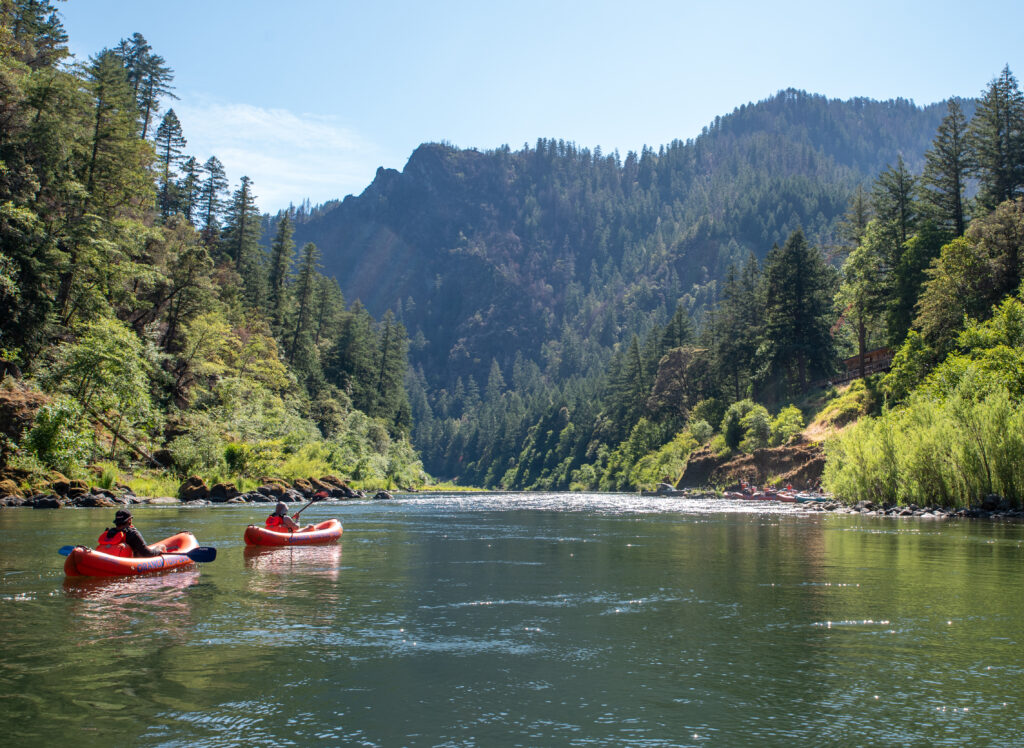
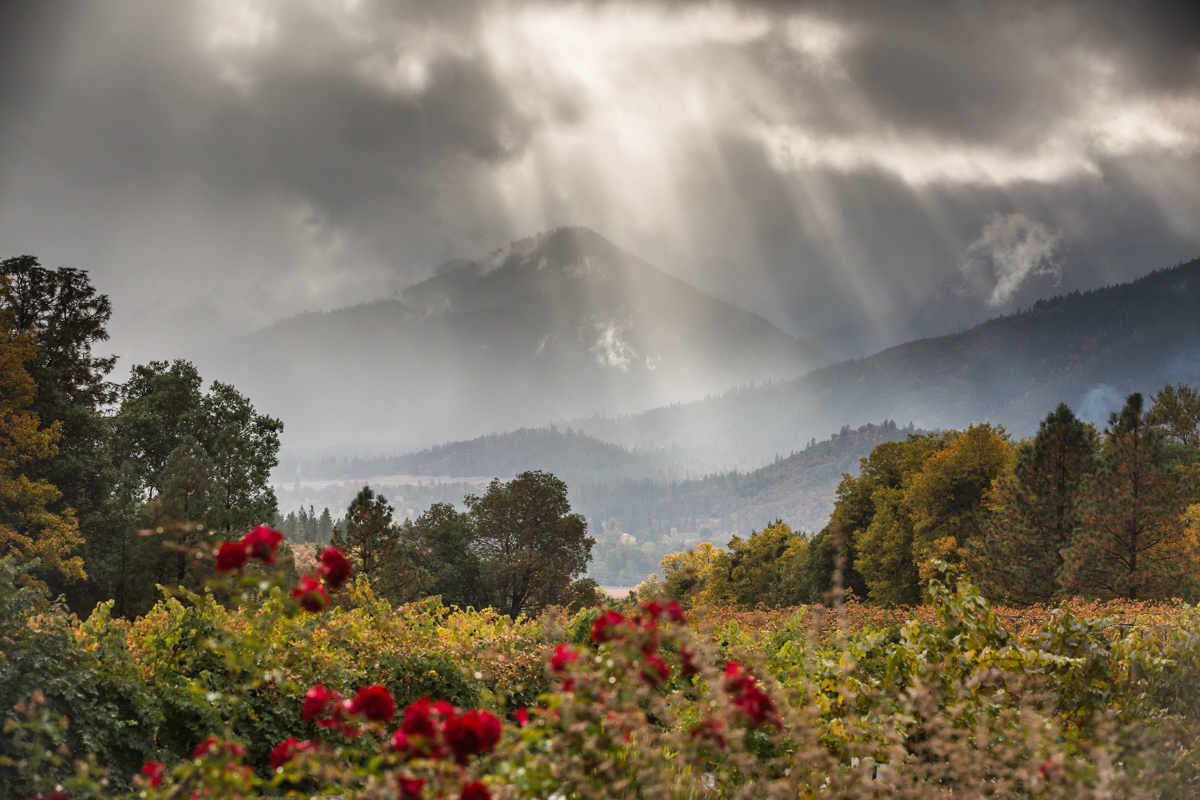
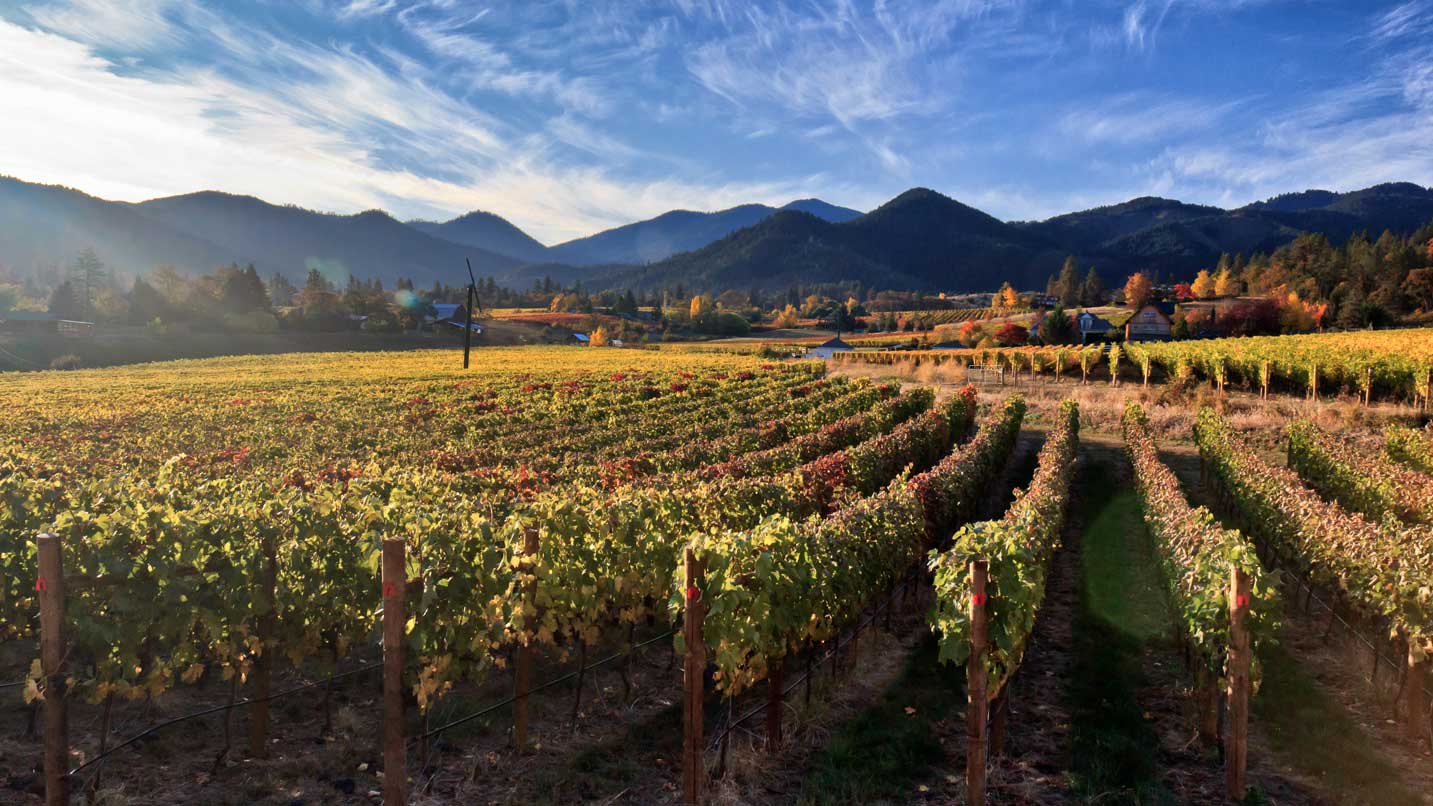
The surrounding landscape is equally compelling. Jacksonville sits at the threshold of the Applegate Valley and within the larger Rogue Valley wine region, where dramatically varied elevations and microclimates support an uncommon range of grapes. More than seventy varieties are grown in the Rogue Valley, from Pinot Noir, Chardonnay, and Riesling to Syrah, Tempranillo, Cabernet Sauvignon, and Malbec. Intimate, owner-run wineries and award-winning vineyards are scattered along country roads that wind through the hills, many offering terraces, gardens, food, and vineyard views within an easy drive.
This is also orchard country. Pear trees have shaped the Rogue Valley’s landscape and economy for more than a century, and nearby Medford remains the home of Harry & David and its celebrated Royal Riviera pears. Orchards, farm stands, growers’ markets, and celebrated restaurants create a regional food culture rooted in the valley itself rather than imported for visitors.
For those accustomed to the fine dining, rich culture, and creative energy of San Francisco, Portland, or Seattle, the Rogue Valley does not ask for their abandonment. It offers them on a more intimate scale, with considerably more breathing room: historic streets instead of high-rises, vineyards in place of bumper-to-bumper traffic, and evenings of Shakespeare or music beneath an open sky.
Jacksonville feels removed from metropolitan life in all the restorative ways, without surrendering the pleasures that make a city interesting.